
How Long Does a Car Wrap Last in Seattle? (2026 Guide)

On this page
Quick answer: how long do car wraps last? A professionally installed color change car wrap in the Seattle area usually lasts 5 to 7 years when it's made with premium cast vinyl and cared for properly. Printed wraps last up to 8 years on vertical surfaces like doors and sides and about 3 years on hoods and roofs, which get more sun. Specialty finishes such as chrome have shorter lifespans. How you park, wash and protect your wrap can add or take away years.
Typical wrap life in Northwest weather, by film and finish:
- Printed cast wrap with protective laminate: up to 8 years on doors and sides, about 3 years on hoods and roofs
- Color change cast film in gloss, satin or matte: 5 to 7 years
- Chrome, color-flip and textured finishes: 2 to 5 years
- Calendered or economy vinyl: 2 to 5 years
- Cut vinyl lettering and decals: 5 years or more
Garage parking and regular hand washing push a wrap toward the top of these ranges. Planning a wrap in the Seattle area? See prices, install times and our warranty on our car wraps in Seattle page.
Since 2012 we've branded more than 7,000 vehicles for drivers and fleets across Seattle, Bellevue and Snohomish County. Here's what actually determines how long a wrap lasts in the Pacific Northwest, and how to get the most life out of yours.
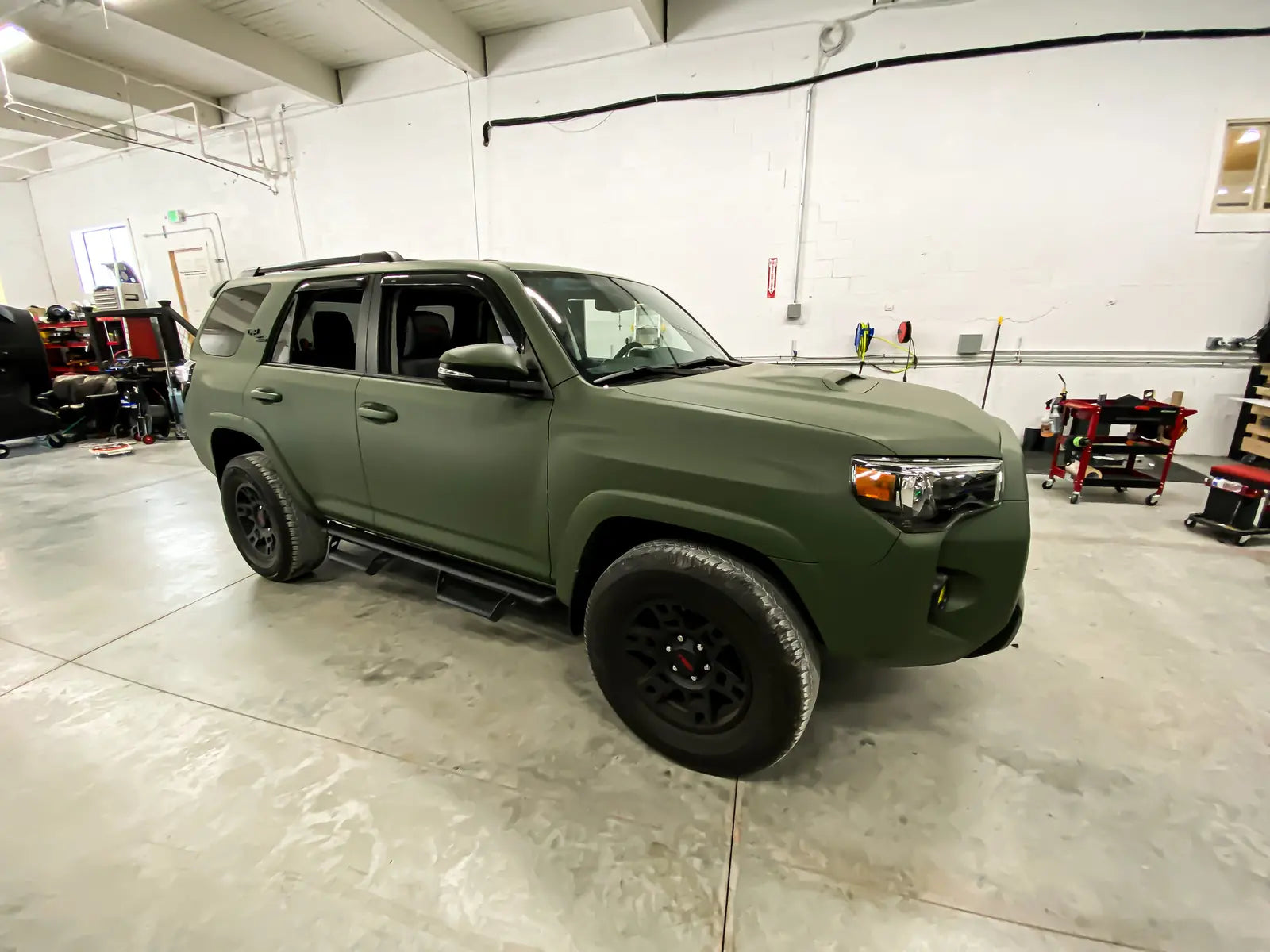
How long does a vinyl car wrap last? Typical lifespans by wrap type
| Wrap type | Typical lifespan (vertical surfaces) | Notes |
|---|---|---|
| Premium cast color change film (gloss, satin, matte) | 5–7 years | Brands like 3M, Avery Dennison and KPMF. Hood and roof may need attention sooner. |
| Printed cast wrap with protective laminate | Up to 8 years | The laminate protects the ink from UV fading and scratches. Common for commercial vehicle wraps and fleet graphics. |
| Specialty finishes (chrome, color-flip, textured) | 2–5 years | Beautiful, but more sensitive to sun, heat and scratches. |
| Calendered or economy vinyl | 2–5 years | Thicker, less conformable film. Better for flat panels and short-term graphics. |
| Cut vinyl lettering and decals | 5+ years | Simple door lettering and spot graphics often outlast a full wrap. |
These ranges assume professional installation and normal care. Exact ratings vary by film line, color and how the vehicle is used.
What affects wrap lifespan in Seattle and Bellevue
1. Material quality
Material quality is the biggest factor in wrap lifespan. Premium cast vinyl is thin, conformable and dimensionally stable, so it holds its shape in deep curves and recesses without shrinking back. Cheaper calendered film can shrink over time, which shows up as lifting edges and pulled-back corners. For a full vinyl wrap that needs to last, cast film plus a matching laminate is the standard. High quality wraps cost a little more up front but hold up to years of wear and tear.
2. Professional installation
Most early wrap failures come from installation, not the film. Experienced professional installers make the difference: proper surface prep, careful heat and post-heating, relief cuts in the right places and clean, tucked edges all decide whether a wrap lifts in year one or looks great in year five. Every Ardor installation is done by our own in-house crew and is backed by our 1-year installation warranty.
3. Pacific Northwest weather
Seattle's mild, cloudy climate is actually easier on wraps than places with intense year-round sun. The bigger threats here are:
- Summer UV rays and heat: July through September sun still fades and dries out film, and prolonged exposure is hardest on hoods, roofs and trunk lids.
- Constant moisture: Rain itself won't hurt a good wrap, but water sitting in seams and edges for months can loosen poorly sealed areas.
- Tree sap, pollen and needles: Parking under evergreens is a fact of life here. Sap and bird droppings can etch vinyl if they sit too long.
- Winter road grime: De-icer, sand and road film from I-5, I-405 and trips over Snoqualmie or Stevens Pass are abrasive. Wash them off regularly.
4. Where you park
A garaged car's wrap can last years longer than one parked outside 24/7. If you don't have a garage, parking in shaded areas, using a carport or a breathable car cover all help reduce UV exposure, debris and the effects of harsh weather conditions.
5. How you wash and maintain it
Proper care is the easiest way to extend wrap lifespan. Regularly washing off dirt and contaminants keeps the film from staining and wearing early. See the care checklist below.
How to make your car wrap last longer
- Hand wash every 1–2 weeks with a pH-neutral car soap, a soft wash mitt and the two-bucket method.
- Skip brush-style automatic car washes. Touchless washes are fine occasionally; hand washing is best.
- Be careful with pressure washers. Keep the nozzle at least 12 inches from the surface, use a wide fan tip and never spray directly at edges or seams. High pressure aimed at an edge is one of the fastest ways to lift a wrap.
- Remove bird droppings, sap and bug splatter right away. Use a wrap-safe detail spray and a microfiber towel.
- Use wrap-safe protection. Ceramic coatings made for vinyl add UV protection and make washing easier. Avoid carnauba waxes and polishes, especially on matte and satin finishes.
- Park in the shade or a garage when you can, especially in summer.
- Fix small issues early. A lifted corner or small tear is quick to repair. Left alone, water and dirt get underneath and the damage spreads.
Signs your car wrap needs to be replaced
- Fading or a chalky, dull look that doesn't wash off
- Cracking, especially on the hood, roof or bumpers
- Edges or seams that keep lifting after repair
- Bubbling, shrinking or film pulling out of recesses
- Stains or discoloration from sap, fuel or contaminants
Don't leave an old wrap on too long. Film that's well past its lifespan gets brittle and the adhesive gets harder to remove, which makes removal slower and costlier. Removing a wrap on time is also the best way to protect the original paint underneath.
Does a wrap protect the paint underneath?
Yes. A quality wrap shields factory paint from UV, light scratches, chips and road grime. When it's removed correctly within its lifespan, the paint underneath usually looks like it did the day the wrap went on. That's one reason many Seattle drivers choose a color change car wrap instead of a repaint. Wraps offer a completely new look that's fully reversible, which matters most on leased, luxury and exotic cars.
How long do commercial vehicle and fleet wraps last?
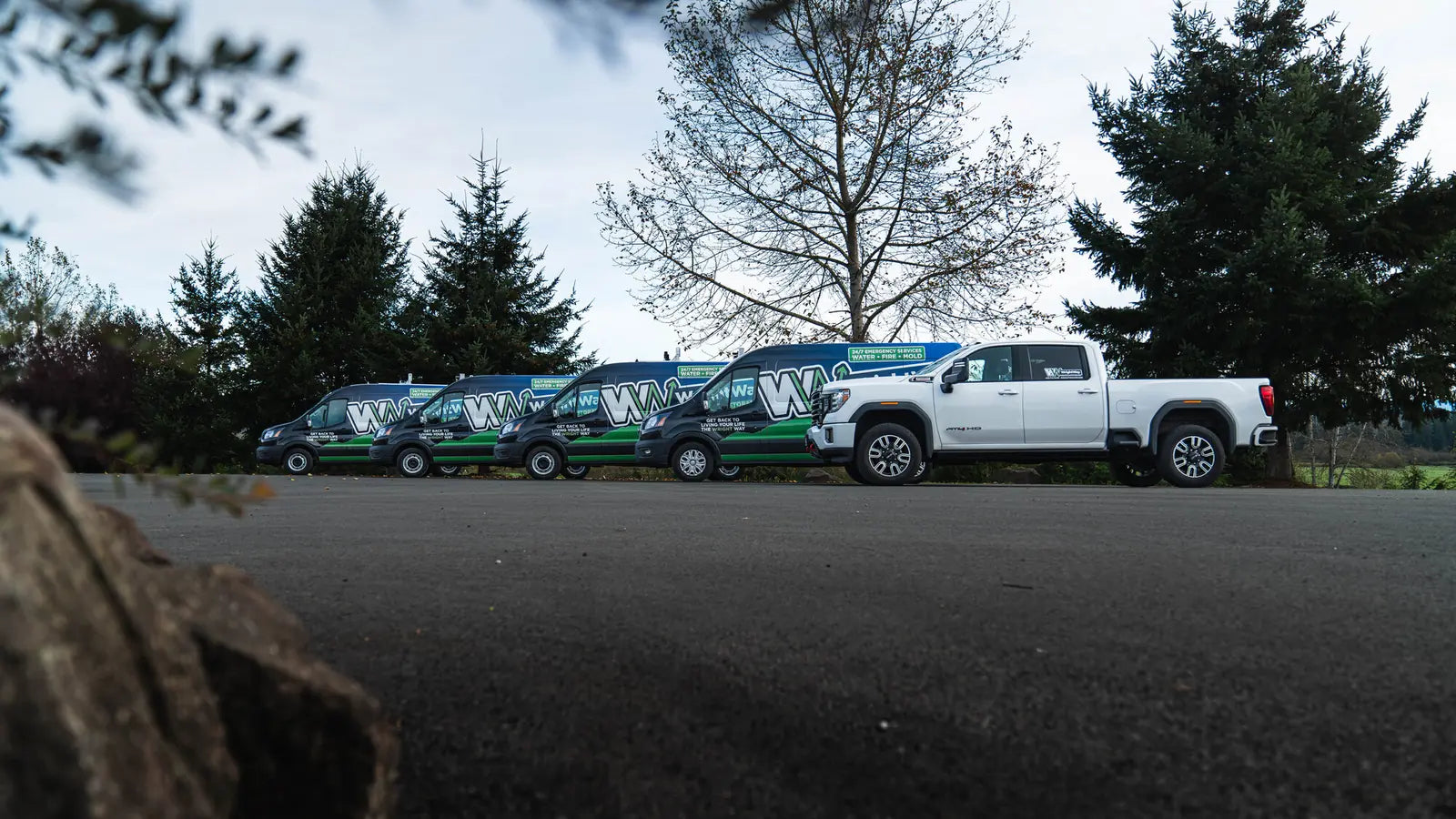
Commercial wraps follow the same rules, but work vehicles spend more time outside and on the road. Most printed fleet wraps run 5–7 years, which is often about the time a business refreshes its branding or replaces the vehicle anyway. Spread over that lifespan, a wrap is one of the lowest-cost forms of local advertising. See our vehicle wrap cost guide for current pricing on cars, vans, trucks and fleets.
Car wrap lifespan FAQs
How long does a car wrap last in Seattle?
Most professionally installed color change wraps last 5 to 7 years in the Seattle area, and printed wraps last up to 8 years on vertical surfaces like doors and sides. Garage parking and regular hand washing push wraps toward the top of those ranges.
Does rain damage a car wrap?
No. A properly installed wrap is waterproof. Rain is only a problem when water sits in poorly sealed edges or seams over time, which is why installation quality matters.
Do matte and satin wraps last as long as gloss?
Premium matte and satin films last about as long as gloss, but they need gentler care. Use matte-safe soaps and protectants and never wax or polish them.
Can I take a wrapped car through a car wash?
Hand washing is best. Avoid brush-style automatic washes. An occasional touchless wash is generally fine.
How long does a wrap last on the hood and roof?
Horizontal surfaces get the most direct sun and debris, so they typically wear out sooner than doors and sides. Some owners re-wrap just the hood or roof partway through the wrap's life.
Does a car wrap last as long as paint?
No. A quality paint job can last 10 years or more, while a professional color change wrap typically lasts 5 to 7 years and a printed wrap up to 8 years on doors and sides. A wrap usually costs less than a quality paint job, protects the paint underneath and can be removed. Compare cost, lifespan and resale in our car wrap vs. paint guide.
Get a wrap that's built to last
Ardor Printing designs, prints and installs car wraps, color change wraps and fleet graphics in-house for drivers and businesses across Seattle, Bellevue, Everett and the rest of the Puget Sound. See our recent work or request a free quote, or call us at (425) 629-0796.
Ready to talk about your project?
Ardor Printing designs, prints and installs vehicle wraps, signs and wall graphics in-house in Snohomish, WA, for businesses from Everett to Seattle.
More Wrap Care & How-To guides
See all →
How to Wash and Care for a Wrapped Car in the Pacific Northwest
A simple care routine for wrapped cars and fleet vehicles in the Pacific Northwest, from the first wash and touchless car washes to tree...
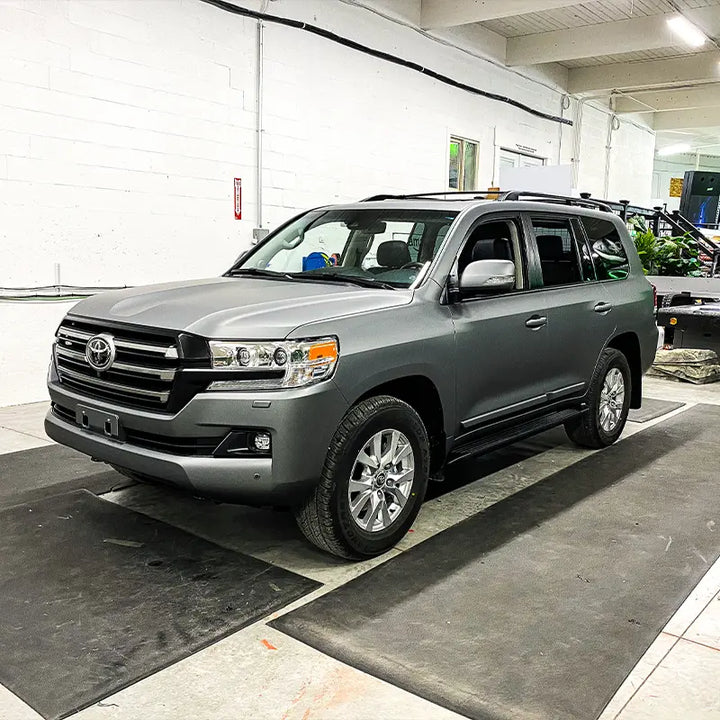
Car Wrap Removal: Cost, Process and When It's Time to Remove or Replace Your Wrap
When a wrap is faded, cracking or it's time to rebrand, here's what removal costs, how professionals take a wrap off without damaging paint,...

What to Expect When You Get Your Vehicle Wrapped in Seattle: The Step-by-Step Process
From the first quote to driving away: here's exactly how a vehicle wrap works at Ardor Printing, how to prepare your vehicle, and the...
1 comment
Thanks for this blog. It is very helpfull. Visit : https://www.leewaydetailing.com/